
Shirley Puts the Question Back on the Press
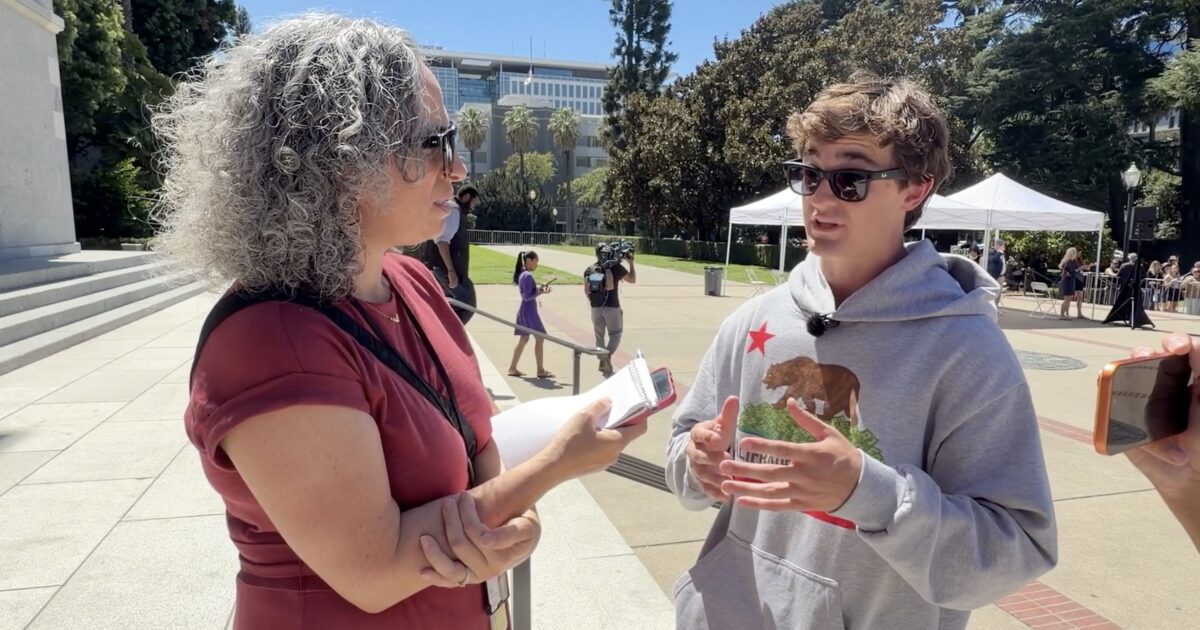
Independent journalist Nick Shirley had a pointed exchange with New York Times California politics correspondent Laurel Rosenhall outside the State Capitol after a rally against Assembly Bill 2624. Shirley, a 24-year-old YouTuber known for viral reporting on empty Somali-run “clearing centers” in Minnesota and hospice schemes in California, challenged the defense of the law critics have called the “Stop Nick Shirley Act.” His central question was simple enough that even the paper of record might want to write it down in that famous notepad: why would California craft a law that protects people tied to public-money programs instead of protecting reporters who expose where taxpayer money may be going?
The Timeline Became the First Fight
Rosenhall said lawmakers maintain the bill was already being developed before Shirley traveled to California, but Shirley pushed back hard. He said, “Not true,” then explained that he announced on January 31 that he was coming to California and had already filmed inside immigration support service providers before the bill was introduced. Legislative records cited in the source show Democrat Assemblywoman Mia Bonta introduced AB 2624 on February 20, about three weeks after Shirley says he publicly announced his California investigation. Bonta is married to California Attorney General Rob Bonta, which makes the whole thing look less like a random policy idea and more like Sacramento hearing footsteps.
What the Law Covers Is the Big Concern
Shirley argued that California already has laws against doxxing and threats, so AB 2624 is not needed. He warned the law creates a special protected class for people connected to immigration support service organizations. The enacted legislation defines “immigration support services” broadly, including legal representation, advocacy, case management, humanitarian relief, referrals, translation, counseling, and healthcare. Even more important, the law’s definition of a protected provider includes someone who “provides, assists in providing, or receives” those services. Protected “personal information” is also defined broadly, including names, physical descriptions, photographs, video footage, phone numbers, employment histories, license plate numbers, and financial information.
Shirley Warns About a Fraud Loophole
Rosenhall suggested people could not simply receive the law’s protections automatically and would need law-enforcement approval, but the source notes the enacted text allows more than one path. A restraining order is one form of documentation, but an applicant may also submit a certified statement from the immigration-service organization, or from an employee or volunteer claiming threats or harassment, along with a sworn statement of fear. Knowingly submitting false information is a misdemeanor. Shirley warned this could be abused by someone trying to hide fraud, saying, “Imagine a fraudster who knows he’s committing fraud,” and describing how such a person might try to enroll in the program for protection.
The Intent Question Should Trouble Every Reporter
Rosenhall pointed to language saying posting information becomes unlawful when done with specific intent to incite violence or issue a threat, then asked whether posting information to inform the public would be a violation. Shirley answered by raising the issue independent journalists know too well: who decides intent after some unrelated third party reacts to a report? He noted that the harassment standard includes “unwelcome visitation” and “unreasonable fear.” That is not a small technical detail. If politicians and bureaucrats get to stretch vague standards against reporters, investigative journalism can turn into a game where the referee is also on the other team.
Watch the Exchange
Shirley posted the clip Thursday, saying, “Here is the New York Times realizing they are advocating for a law that would effect journalism and fraud from being exposed.” The clips below are included as provided in the source, and they show why this fight over AB 2624 is not just about one journalist in a hoodie. It is about whether citizens can document publicly connected service providers without being treated like the problem. Funny how the people demanding “transparency” often need a fainting couch when someone brings a camera.
Here is the New York Times realizing they are advocating for a law that would would effect journalism and fraud from being exposed pic.twitter.com/AQ88oUZziu
— Nick shirley (@nickshirleyy) August 27, 2026
The NY Times reporter is Laurel Rosenhall. I was next to them during this exchange. Shocked she was this clueless. pic.twitter.com/Nfudglibp8
— Jonathan Choe (@choeshow) August 27, 2026
WE’D LOVE TO HEAR YOUR THOUGHTS! PLEASE COMMENT BELOW.
JIMMY
Find more articles like this at steadfastandloyal.com.
Leave a Comment