
Scott Bessent faces Iranian threats after The Wall Street Journal published information about his home, according to reporting from The Gateway Pundit. The Treasury secretary said he and his family were moved to a secure U.S. military base after recent threats. The dispute has two parts: a threat from an Iranian state news agency and a media decision Bessent says exposed his residence. Both matter, and they should not be blurred together. A government official can condemn a publication he considers reckless while still being expected to follow security instructions.
On CNBC, Bessent said the WSJ printed a “PHOTO OF MY HOUSE” with “GEO-LOCATE” on it and that the editor was asked not to publish his location. He also said, “I followed Secret Service instructions and moved from my home to a military base.” Those remarks present his account of why the move happened and identify the Secret Service as the agency whose instructions he followed. The Gateway Pundit report describes the published material as an aerial view of his home and says it appeared in 2025. Bessent’s complaint is not a vague objection to coverage, but a specific allegation that a location request was ignored.
View the MAGA Vanguard 47 post carrying Bessent’s remarks.
Why Scott Bessent faces Iranian threats
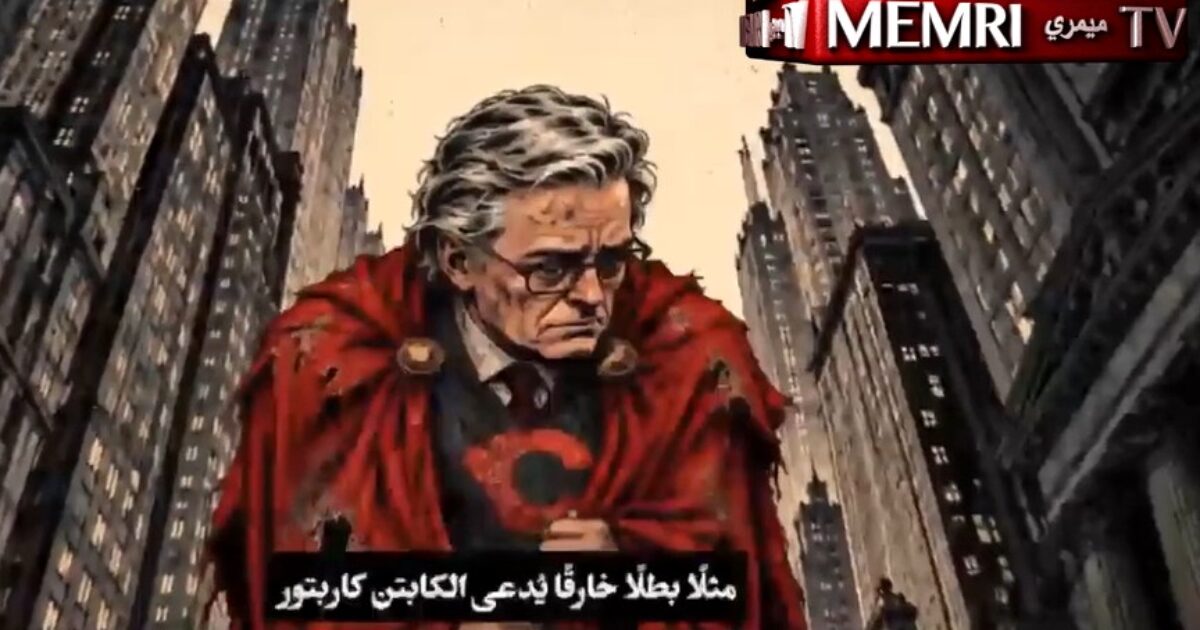
The threat became more explicit when Fars News Agency, identified in the report as an Iranian state news agency, posted a video targeting Bessent, his husband and his children. The video reportedly said Bessent had booked a “first-class ticket to hell” for an “unholy war” on Iran. It also claimed the group had addresses for his homes. The video warned about a “polite visitor” at a South Carolina residence or a package near New York City addresses, while showing a pistol graphic. That message turns political conflict into a security concern, even though it does not establish who would carry out any threatened act.
That distinction matters because a state news agency’s threatening message is a claim and warning, not proof that an attack is imminent. It is still serious because it names family members, references residences and uses imagery meant to intimidate. The Wall Street Journal dispute raises a separate question about whether publishing a geolocatable image of Bessent’s house was necessary and whether the paper honored his request. The Journal’s response is not included, so that issue cannot be settled here. Publishing a home location can create consequences far beyond ordinary political criticism.
View The Gateway Pundit’s post referencing the MEMRI video.
The media dispute meets a national security threat
Bessent’s response was defiant as well as angry. In the CNBC remarks, he said, “We’re NOT gonna be cowered…the IRGC are like a dangerous, cornered animal.” A post from MAGA Vanguard 47 also presented him saying “F THE IRANIAN LEADERSHIP,” while urging people to pray for the secretary. The language shows that Bessent is trying to project resolve after following Secret Service instructions to leave his home. That combination is the sensible one in a threat situation: take protective guidance seriously without pretending intimidation has made the policy disappear.
The episode also shows how quickly national-security concerns and media judgment collide. A MAGA Vanguard 47 post described Bessent as leading Operation Economic Outcast, a sanctions campaign against Iran, and called him a top Iranian target. The same post said the Justice Department indicted three Iranian nationals tied to nearly 20 attacks and attempted attacks across Europe and the United States, while Rubio and Miller had to move too. Those assertions provide context, but additional detail and independent confirmation are not supplied. The clearest facts remain Bessent’s move, his public complaint and the threatening Fars video.
What the Bessent threat reporting establishes
For now, the public record supports a narrow but serious conclusion. Bessent says a Wall Street Journal image exposed his home, Secret Service instructions led him and his family to a military base, and an Iranian state news agency later posted a threat involving his family. The threat does not prove an attack plan, and the Journal’s response is not provided. Still, the episode raises a basic question for anyone publishing sensitive information: was the story worth the security risk described by the official involved? That question should be judged on facts and accountability, not on whether anyone likes Bessent’s sanctions policy.
WATCH NOW IRAN VIDEO ON BESSENT….
Iranian Video Threatens U.S. Treasury Secretary Scott Bessent And His Husband Following WSJ report – "He Booked A 'First-Class Ticket… via @memrireports #MEMRI https://t.co/BRmhWa24QZ— The Gateway Pundit (@gatewaypundit) November 13, 2026
WE’D LOVE TO HEAR YOUR THOUGHTS! PLEASE COMMENT BELOW.
Find more articles like this at beardsofliberty.com.
Leave a Comment