

Old Coverage Versus New Coverage
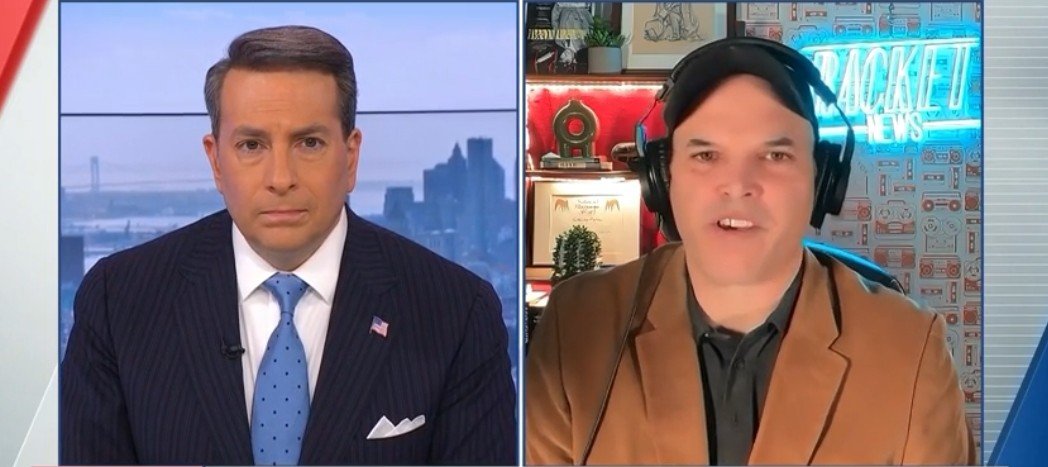
Tom Basile played a 2016 CNN ride along with ICE that looked, by any fair read, neutral to positive. Fast forward and similar actions earn angry headlines and tearful on camera reactions. The contrast is jarring. Ten years ago reporters treated it as routine law enforcement work. Now many outlets treat it like a moral crisis worth endless coverage. That change matters because it shifts public perception of an agency that enforces immigration law.
What Matt Taibbi Observed
Matt Taibbi told Basile the shift is real and partly political. He noted that many tactics labeled as unprecedented under today’s headlines were common in prior administrations. When a policy or agency becomes linked to a president the press dislikes, coverage often follows a predictable arc. The story becomes less about facts and more about fitting a narrative that signals opposition to that president.
Politics, Ratings, and the Algorithm
There is also an appetite angle. Newsrooms compete for clicks and viewers. Outrage performs well online and on cable. When an agency like ICE is painted as the villain, stories multiply and engagement rises. That creates incentives for coverage that emphasizes conflict over context. Viewers notice. Trust drops. And a cycle forms where distrust feeds more sensationalism.
Why This Should Worry Every Citizen
When coverage changes based on who’s in the White House, citizens get a warped sense of reality. Laws and enforcement do not change their basic nature because of which party holds power. If media swings between cheerleading and condemnation, voters are left guessing what is true. That is bad for civil discussion and bad for democracy. People deserve reporting that treats facts first and partisan signalling second.
WE’D LOVE TO HEAR YOUR THOUGHTS! PLEASE COMMENT BELOW.
JIMMY
Find more articles like this at steadfastandloyal.com.
Leave a Comment