

The Spark That Started the Fight
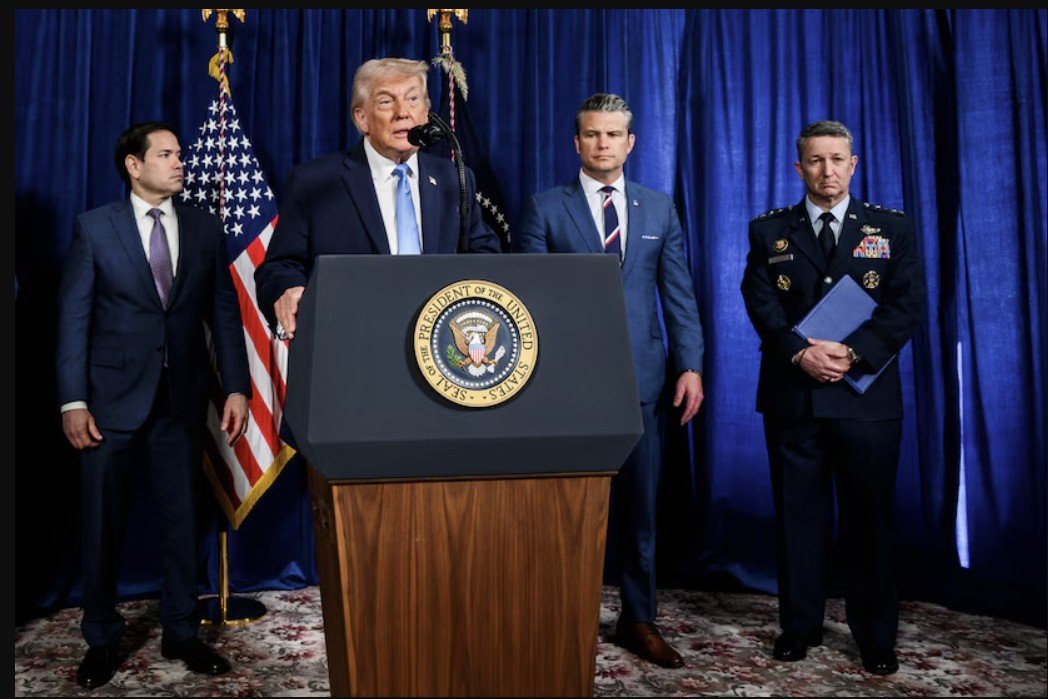
President Trump ordered strikes on Venezuelan drug boats, deployed forces on Venezuelan soil, and oversaw the capture of Nicolás Maduro. Predictably, many Democrats declared the moves illegal and demanded Congress be consulted. Senators and representatives from both parties called for answers and for a formal War Powers Resolution to force the president to explain or to pull back. The scene was political theater with high stakes. Lawmakers said the president overstepped. The administration said it acted to protect Americans and national security. Both sides dug in their heels.
What the Constitution Actually Gives the President
The Constitution names the president Commander in Chief under Article II. That has long been read to allow the president to order military operations without a prior congressional declaration of war. A declaration of war is a formal power reserved to Congress under Article I. But presidents from both parties have used their Article II powers to launch limited military actions, special operations, and drone strikes. Saying you cannot act at all without a formal congressional vote is not how the last several administrations have behaved or how courts and executive branch lawyers have often interpreted the law.
The War Powers Resolution: A Tool With Limits
Congress passed the War Powers Resolution in 1973 to force some accountability. It requires the president to notify Congress within 48 hours after introducing forces into hostilities and says those forces must come home after 60 days unless Congress authorizes continued operations. That sounds straightforward. In practice it is messy. Every president since 1973 has questioned the constitutionality of the law and most administrations treat it as a political obligation more than a legal straightjacket. When politics is the lever Congress uses, the real constraint is funding. Congress can cut money for operations, but getting that done is not easy or fast.
Why Congress Wasn’t Briefed First
The Trump administration said it did brief congressional leaders after the operation began and pointed to a practical reason for not telling everyone first. The argument was simple. Advance notification risks leaks and could jeopardize the mission. That will not make critics happy, especially those who think secrecy equals lack of oversight. But operational secrecy is a long standing part of how special operations and counterterror missions have been run. Leaders on both sides of the aisle have accepted that reality before when missions needed surprise.
The Office of Legal Counsel Weighs In
The Department of Justice Office of Legal Counsel issued a memo finding the operation lawful under U.S. domestic law. The OLC concluded the mission did not amount to a constitutional war requiring prior congressional authorization and said the president acted within his Article II authority. The memo also said the operation likely violated international law, including the UN Charter prohibition on using force against another state. The OLC’s job is to advise the president about domestic legal authority. It does not settle international law disputes and its opinions, unless overruled by higher officials, bind executive branch agencies.
Why International Law and Domestic Law Can Clash
The OLC has long held that even if an operation breaches international law, that breach does not necessarily make it unlawful under U.S. constitutional or statutory law. That position frustrates internationalists and pleases those who favor strong executive latitude. The memo is consistent with past opinions that treat international obligations as separate from the president’s domestic constitutional powers unless Congress has enacted laws implementing those treaties. Critics say that creates a dangerous gap. Supporters say it preserves the president’s ability to protect Americans when speed matters.
Congress Responds With a Resolution
After the Venezuela operation some senators introduced a War Powers Resolution to force withdrawal of U.S. forces unless Congress explicitly approved further action. The measure drew votes from both parties at first and was pitched as a reassertion of Congress’s Article I role in declaring war. In the end it failed after a 50 50 Senate tie was broken by the vice president. That outcome shows the political reality. When the White House has voters behind it and the opposition is not fully united, Congress’s formal tools can stall. The real, effective tool Congress usually holds is the power of the purse, but using it requires political will and timing.
WE’D LOVE TO HEAR YOUR THOUGHTS! PLEASE COMMENT BELOW.
JIMMY
Find more articles like this at steadfastandloyal.com.
Leave a Comment