
A Pardon Certificate Behind Prison Walls
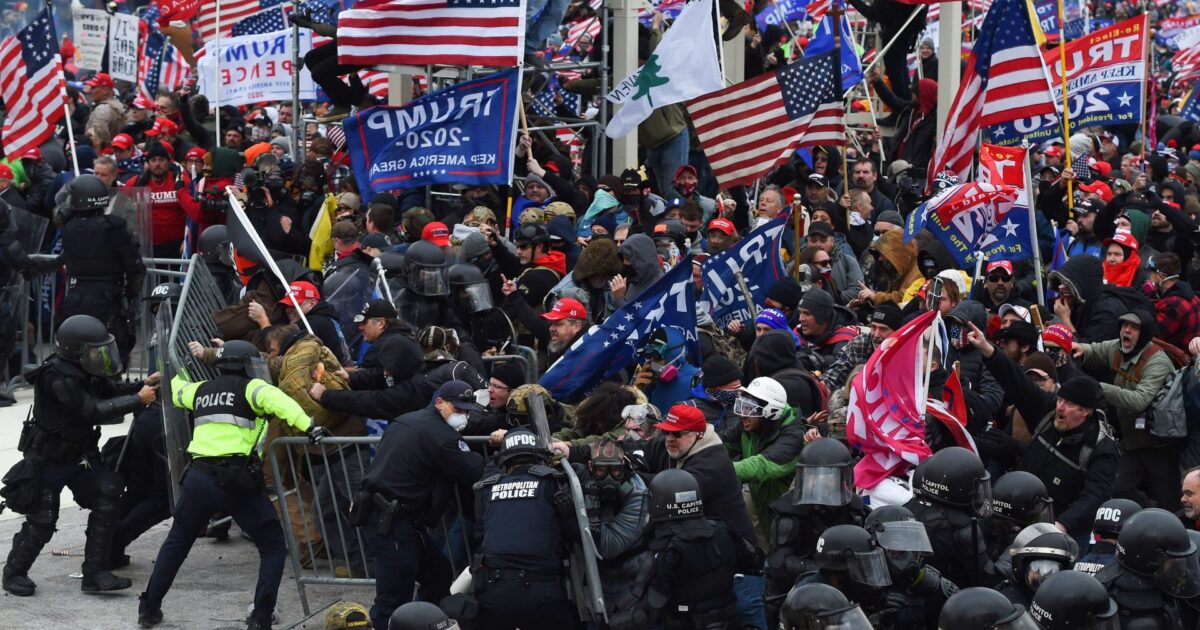
Edward Kelley says he received a Certificate of Pardon from President Trump on October 5, 2026, but the document arrived as legal mail while he was still in prison. In a message to Americans and other freedom-loving people, Kelley called himself “the first man in history” to hold such a certificate while remaining incarcerated. Kelley said no combination of words fully captured his feelings of fury, betrayal, and persecution. He argues that Trump’s sweeping early 2025 pardons covered all offenses stemming from or related to the events at the U.S. Capitol on January 6, 2021, and that protection should apply wholly to his case. Yet the account says he remains in solitary confinement. That creates a stark legal conflict, and Kelley is asking the courts to address it.
The 80-Year Sentence at the Center of the Dispute
Kelley’s sentence was imposed in August 2025, just months after the pardons, according to the account. He was sentenced to 80 years for allegedly conspiring to kill FBI agents. The account also says he remains in prison along with Solomon Pena, another January 6 prisoner and former Republican candidate in the 2022 midterms. Pena was also sentenced to 80 years in August 2025 for allegedly orchestrating a “politically motivated shooting spree” after losing his election. Those allegations are presented as the basis for the sentences, but the supplied material does not establish them independently. Kelley’s complaint is more specific: if his pardon covers the conduct in his case, then keeping him imprisoned would defeat the purpose of that pardon. A pardon that leaves its recipient in a prison cell raises an obvious question about whether the pardon is being honored at all.
The FBI Revenge Allegation
The dispute also includes an explosive allegation about FBI conduct. In July 2025, a whistleblower identified in the account as William Taylor shared audio and a transcript tied to FBI Assistant Special Agent in Charge Joel Feaster. Taylor alleged that Feaster told an employee meeting before Kelley’s arrest, “They threatened our people, and that’s unacceptable. So, they’re going to feel… they’re going to feel our revenge, okay. They don’t do this shit to us.” Taylor further alleged that the FBI and U.S. Attorney’s Office failed to disclose the remark, and that Feaster later denied making it when questioned at trial. The post says Taylor reported the alleged misconduct to the FBI, the DOJ inspector general, and the court, but claims those complaints were ignored. These are serious allegations about bias, disclosure, and possible perjury. They should be tested against the audio, transcript, court record, and testimony, not waved away because the paperwork is inconvenient.
Kelley Takes the Fight to the Appeals Court
Kelley says he is asking an appeals court to recognize that the pardon applies to his case. He argues that no official in the Justice Department or federal judiciary has the power to deny a presidential pardon, yet he says that is exactly what is happening. His warning goes beyond his own prison term. Kelley says that if United States v. Edward Kelley remains standing, it could become a precedent used for generations to keep people imprisoned even after a presidential pardon. That claim puts the case at the intersection of presidential power, criminal procedure, and the treatment of January 6 defendants. The legal question is straightforward: can a court continue enforcing a sentence after the president has pardoned the conduct it covers? Kelley wants the appeals court to answer that question before his certificate becomes little more than a piece of paper.
🚨FBI PERJURY🚨
The FBI called for REVENGE on a #J6 subject prior to arrest, covered it up, and lied about it at trial.
FBI ASAC Joel Feaster held an all-employee meeting prior to the arrest and calmly declared, “They threatened our people, and that's unacceptable. So, they're… pic.twitter.com/WkP6JBlD9s— William Taylor (@RetFBI) July 25, 2025
Leave a Comment