

The Talks Are Over—And There’s No Deal
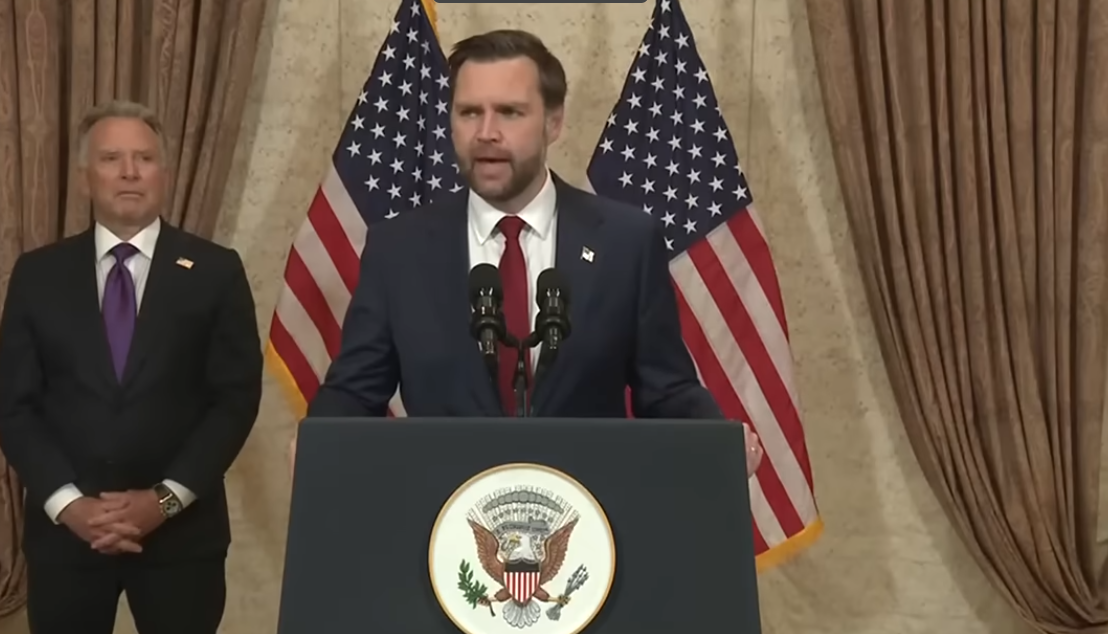
After 21 hours of high-stakes negotiations, JD Vance stood in Islamabad and delivered the message the world was waiting for: the US Iran talks collapse is official—no deal, no handshake, no breakthrough. Just a hard stop. Vance didn’t try to spin it either. “We have not reached an agreement,” he said, before adding something even more telling: it’s “bad news for Iran much more than it’s bad news for the United States.” That line matters. It tells you this administration doesn’t see this as a diplomatic failure. They see it as refusing to sign a bad deal.
What Actually Happened Behind Closed Doors
This wasn’t some quick photo-op meeting that fell apart. These were real negotiations—21 hours of them—with multiple rounds, breaks, and constant back-channel communication. The U.S. team went in with clear instructions from Donald Trump: negotiate in good faith, be flexible where possible, but do not cross the red lines. Vance made it clear they followed that directive. The U.S. was willing to talk about multiple issues, including sanctions and frozen assets, but at the end of the day, Iran “chose not to accept our terms.” That’s not a breakdown—that’s a decision.
The One Issue That Killed the Deal
Forget the noise—this entire negotiation came down to one thing: nuclear weapons. The United States demanded a firm, long-term commitment that Iran would not develop a nuclear weapon or even the capability to rapidly build one. Not a delay. Not a temporary freeze. A real, lasting commitment. Vance said it plainly: the U.S. needed to see that Iran would not seek a nuclear weapon “not just now, not just two years from now, but for the long term.” Iran wouldn’t give that assurance. And without it, there was no deal. Simple as that.
Iran Came to the Table With Its Own Agenda
Over the last 12 hours, more details have emerged—and they paint a very different picture than the usual “both sides couldn’t agree” narrative. Iran wasn’t just responding to U.S. demands. It was making its own—big ones. Sanctions relief. Access to frozen assets. Continued uranium enrichment rights. And even broader regional leverage tied to strategic choke points like the Strait of Hormuz. That’s not compromise—that’s a wish list. And it explains exactly why the talks went nowhere.
Trump Was in the Room—Even From Thousands of Miles Away
One of the most important details from Vance’s press conference is how involved Trump was throughout the entire process. According to Vance, the team spoke with the president “a half dozen times, a dozen times” during the negotiations. That’s real-time leadership. This wasn’t a detached administration hoping for the best. This was hands-on, constant communication with the commander-in-chief guiding the strategy. And the message never changed: try to get a deal, but don’t give away the store to get it.
A Final Offer Still Stands
Here’s where it gets interesting. Even though the US Iran talks collapse is now official, the U.S. didn’t walk away empty-handed. Vance confirmed that the United States left behind a “final and best offer”—a framework that Iran can still accept if it chooses to. That means the door isn’t closed. But it also means the terms aren’t changing. The ball is now entirely in Iran’s court, and they know exactly what’s required.
The Ceasefire Is Now in Real Danger
These talks weren’t happening in a vacuum. They were part of a broader effort to maintain a fragile ceasefire and avoid a larger regional war. With no agreement in place, that ceasefire is now hanging by a thread. When diplomacy fails, the alternatives become very real, very fast. Military positioning ramps up. Tensions escalate. And miscalculations become more dangerous. The margin for error just got a lot smaller.
The Global Impact Is Already Being Felt
This isn’t just a Middle East story—it’s a global one. Markets reacted immediately to the collapse. Oil prices jumped as fears of disruption in the Strait of Hormuz resurfaced. Investors pulled back. Risk went up. That’s because roughly 20% of the world’s oil supply flows through that narrow corridor. Any instability there doesn’t stay regional—it hits every gas pump and every economy on the planet.
This Didn’t Happen in a Vacuum—And We Told You Why
If you read my breakdown yesterday, you already saw this coming. In US Iran Conflict Explained The History The Reality and the Dangerous Illusions, I laid out the reality: this conflict isn’t built on misunderstandings—it’s built on fundamentally opposing goals. The U.S. wants to stop a nuclear Iran. Iran wants to maintain the ability to become one. That’s not a gap you bridge with clever diplomacy. That’s a gap defined by power, leverage, and consequences.
The Bigger Lesson: Strength Over Illusion
What we just witnessed isn’t a diplomatic failure—it’s a reality check. For years, the idea that Iran could be talked out of its nuclear ambitions has been treated like a given. But this moment proves something far more important: you cannot negotiate a lasting peace with a regime that refuses to give up its most dangerous leverage. The United States drew a line. Iran refused to cross it. And instead of pretending that was progress, this administration walked away. That’s not weakness. That’s clarity.
What Happens Next
Now we wait—but not passively. Behind the scenes, backchannel discussions will likely continue. Publicly, pressure will increase. Militarily, positioning will tighten. The ceasefire could hold, or it could collapse quickly. But one thing is clear: the next phase of this conflict won’t be defined by hopeful headlines or symbolic agreements. It will be defined by who is willing to act—and who is willing to stand firm.
WE’D LOVE TO HEAR YOUR THOUGHTS! PLEASE COMMENT BELOW.
JIMMY
Find more articles like this at steadfastandloyal.com.
h/t: Steadfast and Loyal
Leave a Comment