
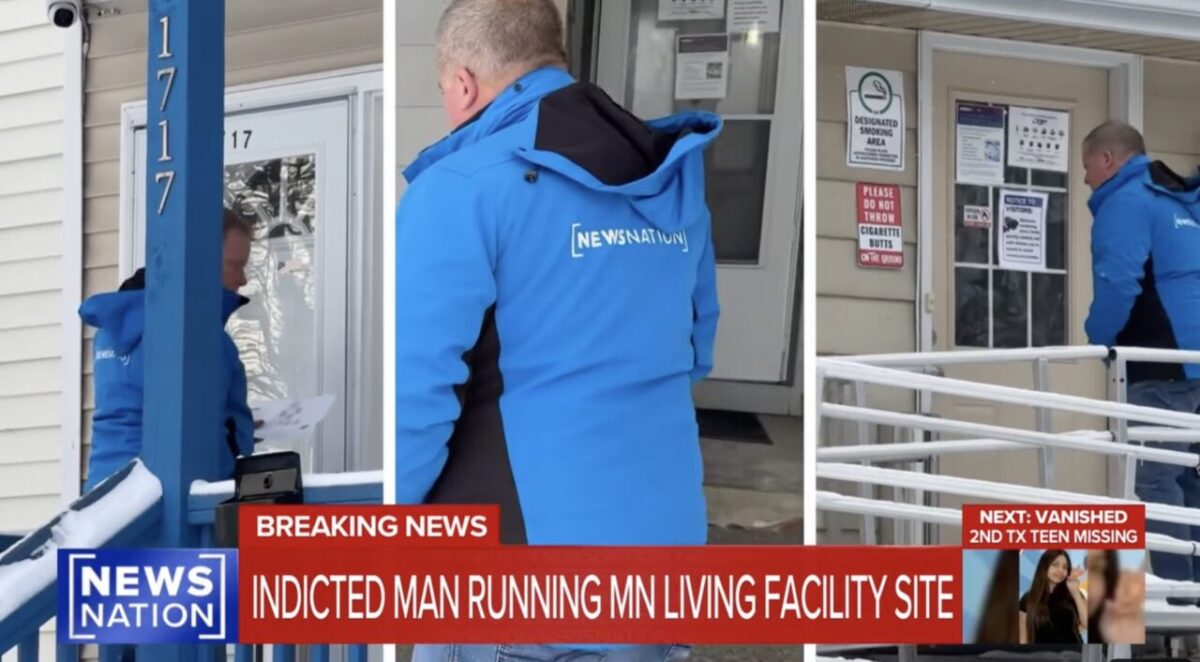

NewsNation’s on-the-ground discovery
NewsNation reporters visited multiple addresses billed as assisted-living facilities and found ordinary single-family houses, not medical-grade operations. The on-site look: kitchens, living rooms and standard bedrooms — not clinical spaces or clear evidence of the staffing and care levels you’d expect when Medicaid dollars are flowing in. Staff at the homes either declined to explain how they qualified or said they didn’t know about the owner’s criminal indictment, which raises basic questions about oversight and verification before public money is paid.
The owner and the indictment
The properties are linked to Gandi Mohamed (also known by another last name in some filings), a man already indicted in the Feeding Our Future scandal. Federal charges allege he helped launder over $1 million in fraudulent child nutrition funds and submitted bogus claims. While courts will decide guilt, the indictment is public and serious — yet his LLCs continued collecting large state payments while the case moved forward.
How much Minnesota has paid
Public records show the Minnesota Department of Human Services has paid tens of millions to companies tied to Mohamed. Reporting indicates about $2.3 million went to the residential homes last year alone, and cumulative state payments tied to his businesses since 2016 approach $49 million. That should make every taxpayer pause: we’re talking real money routed through programs meant for vulnerable people.
What the homes actually looked like
At the three residences NewsNation visited, nothing matched the image of licensed assisted‑living facilities that provide extensive medical or daily living support. They appeared as regular houses in residential neighborhoods. If Medicaid reimbursement rates were based on facility type or level of care, either the billing was improper or regulators failed to confirm basic facts before paying—neither option is acceptable.
Oversight failures and the unanswered questions
This story exposes at least two systemic failures: weak verification of provider claims and slow or ineffective responses once red flags pop up. How were payments authorized for addresses that don’t appear to be licensed or equipped for assisted care? Who inspected these locations and when? Lawmakers and DHS officials owe taxpayers clear answers—and immediate fixes to stop further payments until compliance and quality of care are independently verified.
WE’D LOVE TO HEAR YOUR THOUGHTS! PLEASE COMMENT BELOW.
JIMMY
Find more articles like this at steadfastandloyal.com.
h/t: Steadfast and Loyal
Leave a Comment